
- +917737445995
- awasthistvachaa@gmail.com
-
Morning (Wed Close): 10:00 AM To 01:00 PM | Morning (Only Tue, Fri): 10:00 AM To 12:00 PM | Evening: 04:30 PM To 07:00 PM


Welcome to Awasthi’s Tvachaa
Awasthi’s Tvachaa is a trusted and advanced dermatology clinic in Jaipur offering safe and effective skin tags removal treatments with proper medical care. Our clinic is equipped with modern technology to accurately diagnose and remove skin tags while ensuring minimal discomfort and quick recovery.
Led by Dr. Soni and Dr. Sankalp Awasthi, our experienced dermatology team provides advanced treatments for skin tags along with other skin and hair concerns such as acne and acne scars, warts, moles, pigmentation, hair fall, alopecia, and vitiligo.
The primary goal of our dermatologists is to deliver targeted and effective treatment by first educating patients about their skin condition and the treatment approach. This ensures safe procedures, better healing, and long-term skin health with confidence.
About ClinicWorking Hours
- Morning
(Wed Close)10:00 AM To 01:00 PM - Morning (Tue, Fri)10:00 AM To 12:00 PM
- Evening 04:30 PM To 07:00 PM
Call Us Now
About Skin Tags Removal Treatment
Skin tags, also known as acrochordons, are non-cancerous growths that are skin-colored and pedunculated, often causing aesthetic concerns due to their location in body creases. Our top dermatologists at Awasthi's Tvachaa Skin & Hair Clinic utilize USFDA-approved cutting-edge technology for safe and effective skin tag removal. Explore the procedure, benefits, and results to make an informed choice!
What are Skin Tags?
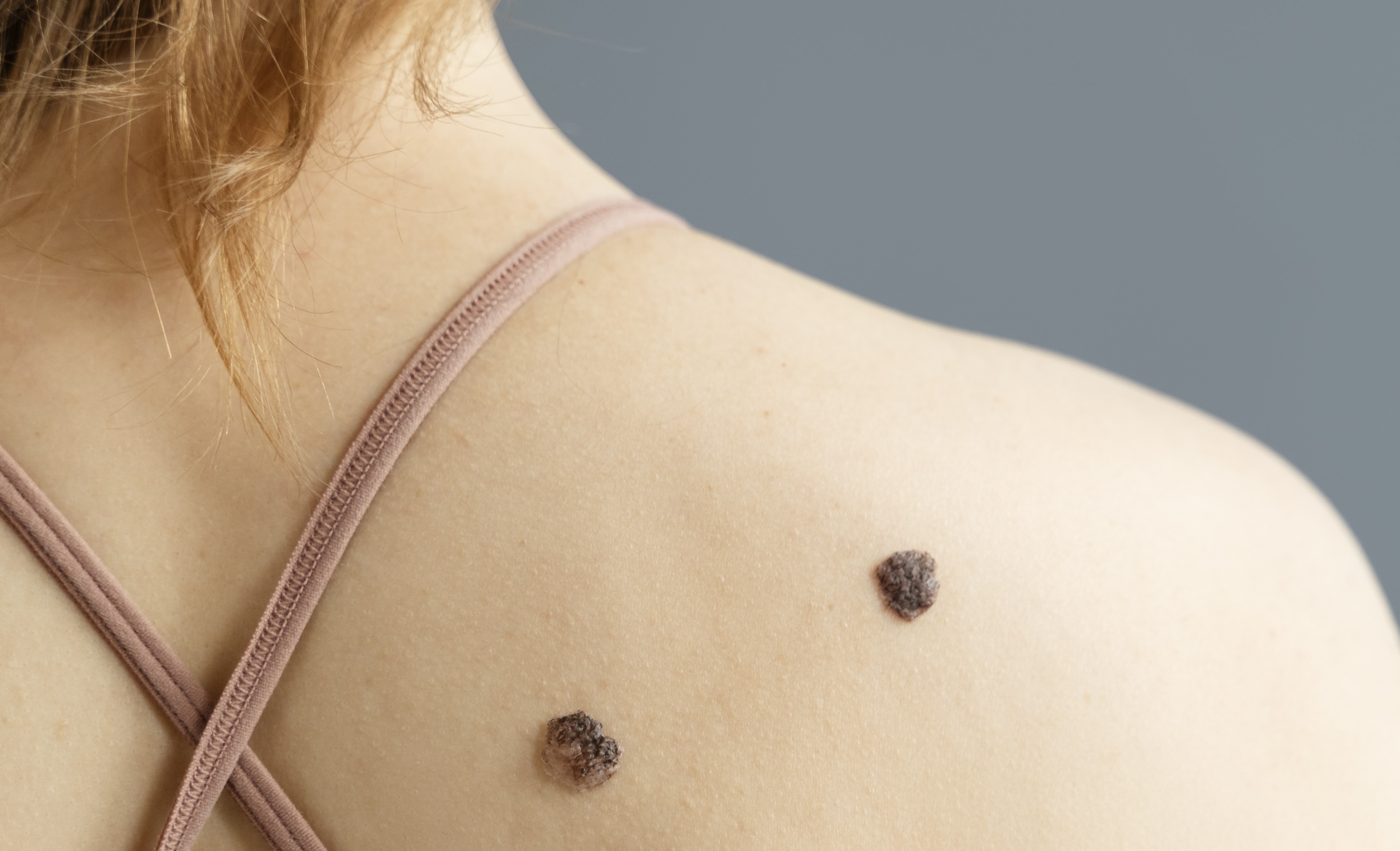
Skin tags are soft, benign growths that are typically skin-colored and attached to the skin by a stalk or peduncle. While they can develop anywhere on the body, they are most commonly found in areas prone to friction and skin folds, including eyelids, neck, underarms, upper chest, under the breasts, groins, and inner thighs.
-

Call Us
+917737445995 -

Address
2nd Floor D-132 Jan Path Shyam Nagar, opposite Lazeez, JanpathHotel, Sodala -

Contact Us
awasthistvachaa@gmail.com
Types of Skin Tags
There are different kinds of skin tags. But the most common include traditional skin tags, keratosis and benign lesions.
01
Traditional skin tag
Traditional skin tags are the most common type and there is no need for you to go for any treatment. These are usually small in size and do not cause any problems to people having them.
02
Keratosis
This is a skin condition that leads to bump formation on the cheek, upper arms or buttocks. These appear to be rough and feel dry to the touch. These also do not cause any discomfort but these are unattractive so it is important to go for treatment.
03
Benign lesions
These are small lump or bump on the skin that is non-cancerous and the formation can take place on any part of the body including the stomach, leg, arms, and chest. There are some instances when these can appear throughout the body.
Searching For "Best Skin Tags Removal Treatment in Jaipur" for your overall skin treatments?
Book an appointment with Dr. Soni and Dr. Sankalp Awasthi at Awasthi's Tvachaa for advanced treatments.
What Are the Symptoms of Skin Tags?
In most cases, skin tags are harmless and painless and do not cause any noticeable symptoms. However, when they are frequently rubbed by clothing, jewelry, or skin folds, they may become uncomfortable.
You may experience:
- Itching around the affected area
- Irritation or redness due to friction
- Pain or tenderness if the skin tag twists or gets injured
- Bleeding in rare cases when repeatedly scratched or caught
If a skin tag changes in size, color, or causes persistent discomfort, it is advisable to consult a dermatologist for proper evaluation and safe removal.
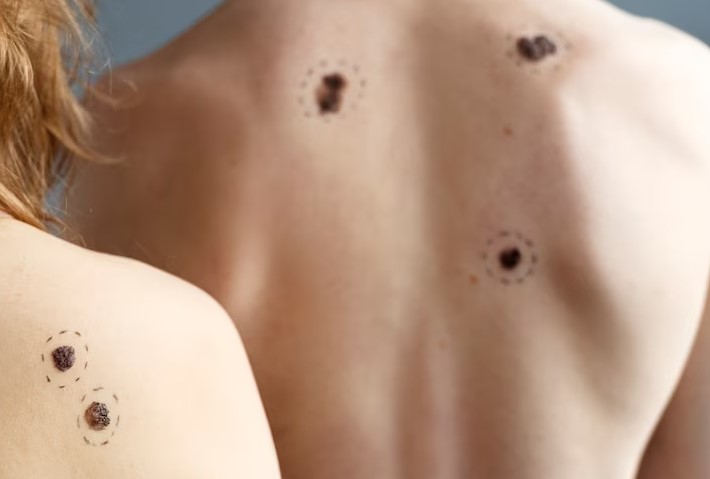
What Are The Causes Of Skin Tags?
The formation of skin tags results from an overgrowth of cells in the upper layers of the skin. Typically, they manifest in areas with skin folds due to friction. The underlying causes of skin tags can vary and may encompass:
- Genetic predisposition
- Excess body weight (obesity)
- Insulin resistance
- Metabolic syndrome
- Pregnancy
- Hormonal imbalances
- Natural aging of the skin
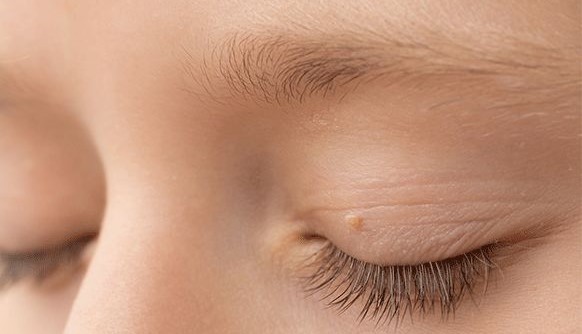
Skin Tag Diagnosis: How It's Done
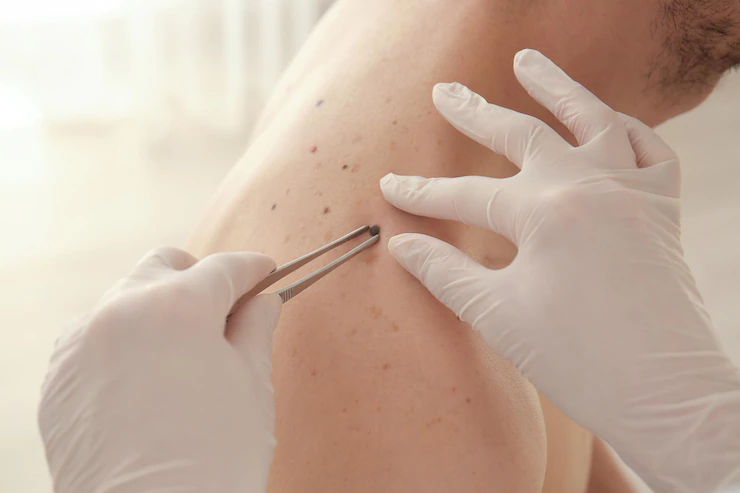
Skin tags are typically diagnosed through a physical examination by dermatologists. Seasoned medical experts can readily differentiate skin tags from other skin growths, such as moles and warts, due to their unique characteristics. Skin tags typically present as skin-colored or dark brown, pedunculated growths that can range in size from 2 to 5 mm.
What Are The Treatments Available At Awasthi's Tvachaa For Skin Tag Removal?
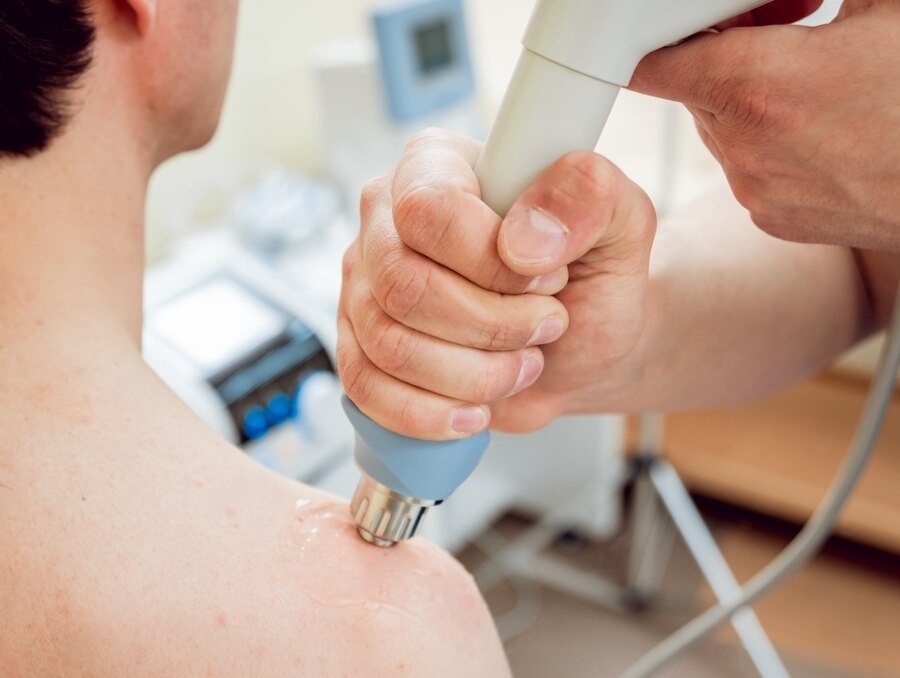
At Awasthi's Tvachaa Skin & Hair Clinic, our experienced dermatologists employ safe and effective methods for the removal of skin tags, utilizing either radiofrequency or electrocautery techniques. Following a thorough assessment of the skin tag's size, location, and underlying cause, our dermatologists determine the most appropriate approach.
The procedure begins with the application of topical or local anesthesia, ensuring a virtually painless experience lasting between 30 to 60 minutes. Subsequently, our specialists may use radiofrequency energy, employing alternating electric currents to gently heat the tissue. Alternatively, they may opt for electrocautery, employing direct current via a small, thin probe to eliminate the skin tag by controlled burning. In most cases, the skin tag is expected to naturally shed within approximately one week post-procedure.
To facilitate the healing process and prevent secondary infections in the treated area, our dermatologists may prescribe topical antibiotics. Additionally, they may recommend a follow-up session to minimize the risk of recurrence and ensure your utmost satisfaction.

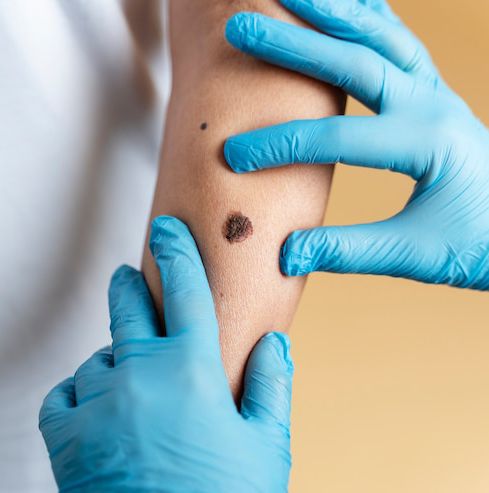
What Is the Treatment Procedure For Skin Tag Removal At Awasthi's Tvachaa?
When you choose to undergo skin tag removal at Awasthi's Tvachaa Skin & Hair Clinic, anticipate the following standard procedure:
- Personalized Consultation: You'll receive a one-on-one consultation with our experts to discuss your specific needs and concerns.
- Tailored Treatment Plan: Our team will customize a treatment plan designed specifically for you.
- Pre-Care Guidance: We'll provide guidance and preparations before your scheduled session.
- Scheduled Session: Your treatment session will be scheduled at your convenience.
- Post-Care Support: We offer comprehensive post-care support to ensure your comfort and optimal healing.
- Follow-Up Session:As needed, a follow-up session may be recommended to assess and enhance your results.
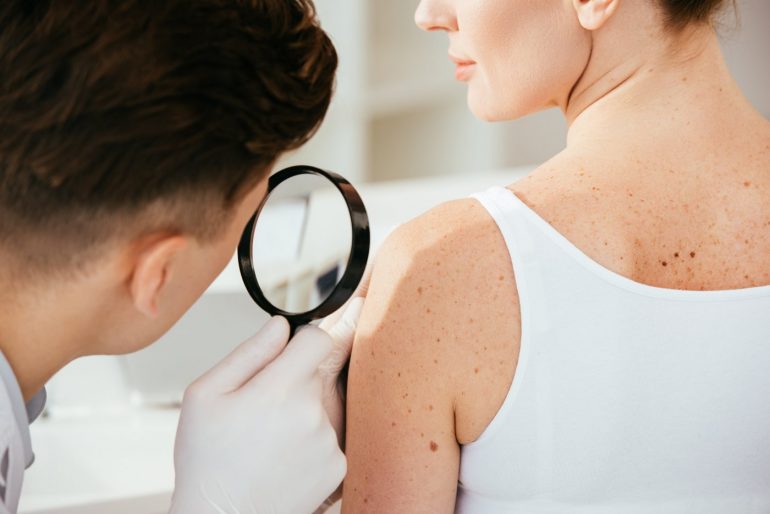
Why Choose Awasthi’s Tvachaa
Awasthi’s Tvachaa is a trusted dermatology clinic in Jaipur providing safe, precise, and effective skin tags removal treatments with a strong focus on patient comfort and long-lasting results.
-

Accurate Diagnosis
Skin tags may appear harmless, but proper evaluation is important before removal. Our dermatologists carefully assess each skin tag to determine the safest and most effective treatment approach.
-

Expert in Skin Procedures
Our experienced dermatology team is skilled in performing medically approved skin tag removal procedures, ensuring precision, minimal discomfort, and quick recovery.
-

High Patient Satisfaction
Awasthi’s Tvachaa has earned the trust of 3,000+ patients by delivering safe procedures, visible results, and a comfortable treatment experience.
-

Quality & Cost-Effective Treatment
We follow a targeted and need-based treatment approach, avoiding unnecessary procedures or medications, which helps keep treatments effective and affordable.
FAQ
Frequiently Asked Question.
While skin tags may appear harmless, removing skin tags at home is not recommended. DIY methods can lead to infection, bleeding, scarring, or misdiagnosis, especially if the growth is not a skin tag. For safe and hygienic results, it is best to opt for professional skin tags removal treatment in Jaipur under dermatological supervision.
The fastest and safest way to remove a skin tag is through dermatologist-performed procedures such as cauterization, radiofrequency, or medical excision. These methods offer quick results, minimal discomfort, and faster healing compared to home remedies.
The best way to remove skin tags is a clinically approved treatment tailored to the size, location, and type of skin tag. A dermatologist ensures accurate diagnosis and uses the most suitable technique to achieve safe removal with minimal scarring.
Multiple skin tags can develop due to friction, hormonal changes, genetics, obesity, aging, or metabolic factors. They are commonly seen around the neck, underarms, eyelids, and skin folds. A dermatologist can evaluate the underlying cause and advise proper management.
Skin tags are not a direct sign of diabetes, but studies suggest they may be associated with insulin resistance or metabolic conditions in some individuals. If you notice sudden or excessive skin tags, a medical evaluation may be advised.
There is no medical evidence supporting nail polish or home remedies for skin tag removal. Such methods may cause skin irritation, infection, or incomplete removal. Professional skin tag removal ensures safety, accuracy, and better cosmetic outcomes.