
- +917737445995
- awasthistvachaa@gmail.com
-
Morning (Wed Close): 10:00 AM To 01:00 PM | Morning (Only Tue, Fri): 10:00 AM To 12:00 PM | Evening: 04:30 PM To 07:00 PM



Welcome To Awasthi's Tvachaa
At Awasthi’s Tvachaa, we understand that hair loss is not just a cosmetic concern—it’s often linked to lifestyle, genetics, hormonal changes, or underlying medical conditions. Our dermatology team carefully evaluates your scalp and hair health before recommending the most suitable treatment plan.
We provide customized hair loss solutions for conditions such as excessive hair fall, thinning hair, alopecia, dandruff-related hair loss, and scalp issues, using advanced techniques and evidence-based therapies. Each treatment plan is tailored to your specific needs, ensuring safe, effective, and visible improvement over time.
About ClinicWorking Hours
- Morning
(Wed Close)10:00 AM To 01:00 PM - Morning (Tue, Fri)10:00 AM To 12:00 PM
- Evening 04:30 PM To 07:00 PM
Call Us Now
Hair Loss - Overview
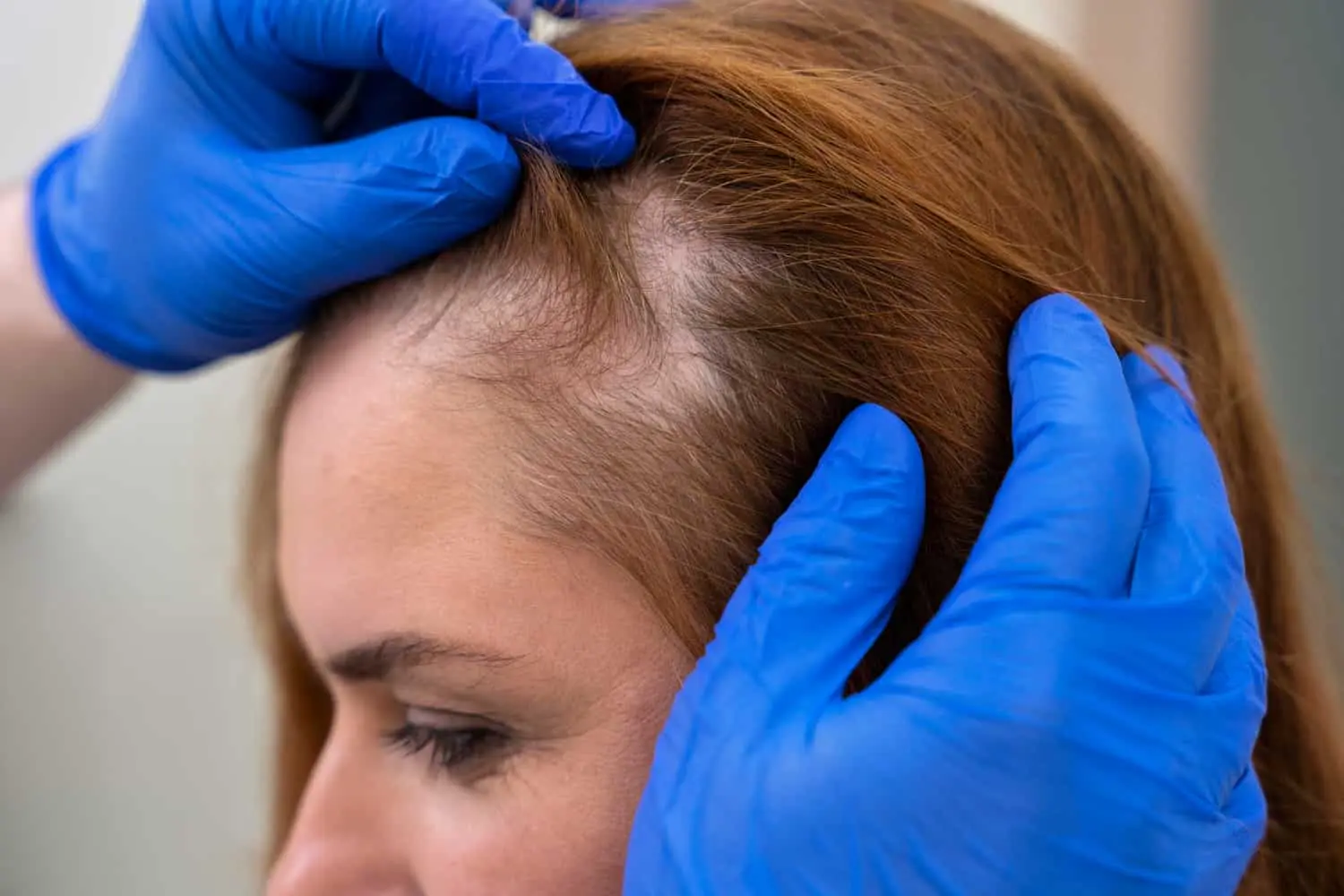
Hair loss, medically termed alopecia, can impact either your scalp or your entire body, and its duration can range from temporary to permanent. This condition can manifest due to a variety of factors, including genetics, hormonal fluctuations, underlying medical issues, or simply as a natural consequence of aging. Hair loss is a phenomenon that can affect anyone, but it is more prevalent in men.
The term "baldness" typically denotes the significant loss of hair specifically from the scalp. The most common cause of baldness is hereditary hair loss that progresses with age. Some individuals opt to embrace their hair loss without intervention, allowing it to follow its natural course without concealment.

Call Us
+917737445995
Address
2nd Floor D-132 Jan Path Shyam Nagar, opposite Lazeez, JanpathHotel, Sodala
Contact Us
awasthistvachaa@gmail.com
Hair loss symptoms
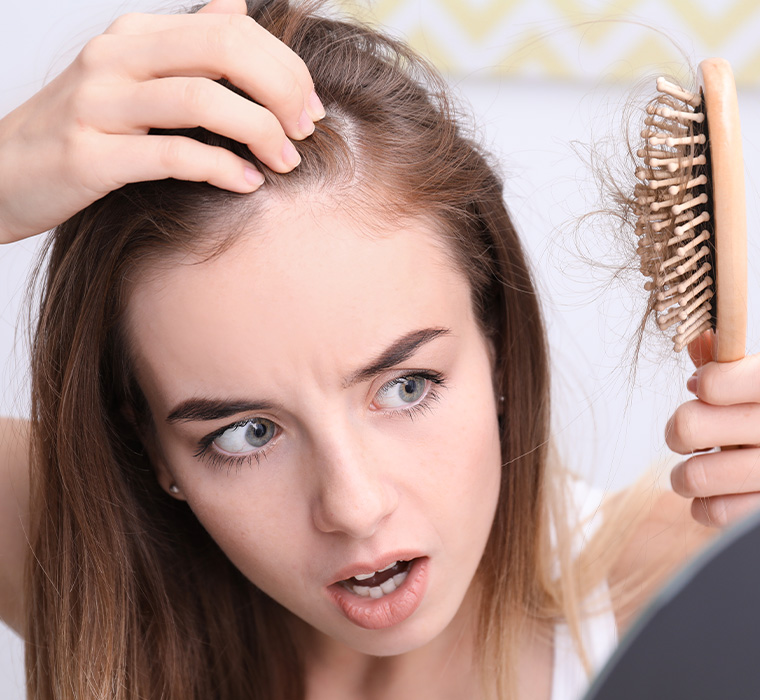
The primary indicator of alopecia is increased hair loss, but recognizing this can be more challenging than one might anticipate. Several symptoms can offer valuable clues:
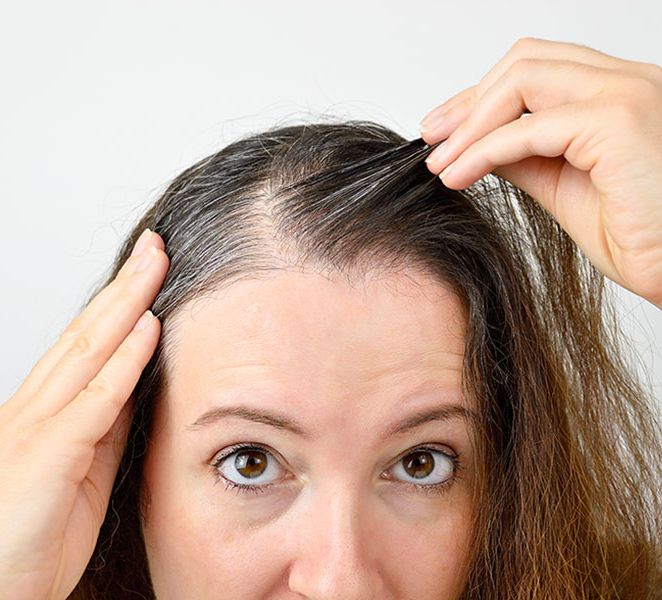
- Widening part: When you part your hair, you may begin to observe a broadening of the part, which can signal hair thinning.
- Receding hairline: Likewise, if you notice your hairline receding higher on your forehead than usual, it could be indicative of thinning hair.
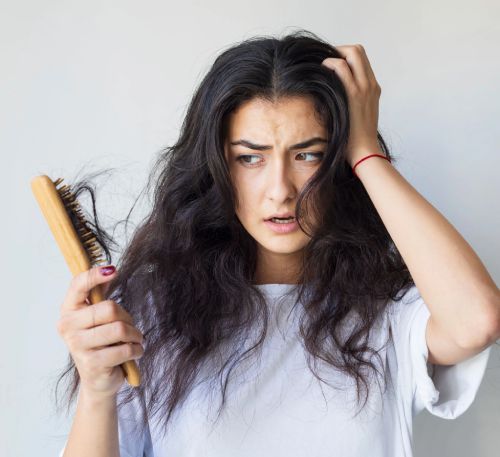
- Excessive hair in brushes or combs: After using a brush or comb, inspect it for an unusual accumulation of hair. This can serve as a sign of hair loss.
- Bald patches: These patches can vary in size and might expand over time.
- Clogged drains: You might notice that your sink or shower drains become obstructed with an excess amount of hair.
- Pain or itching: In cases where an underlying skin condition is responsible for hair loss, you may also experience discomfort or itching on your scalp.
What Causes Hair Loss In People?
Several factors can influence hair loss in individuals. Often, it's a combination of these factors or an underlying medical condition that significantly affects a person's hair health. Many individuals grapple with elevated daily stress levels, lifestyle modifications, and inadequate dietary choices, all of which can impede the growth of healthy hair. Additionally, as everyone possesses a unique hair follicle structure, various factors can contribute to hair loss.
Here are some common reasons for hair loss in individuals:
- Inadequate or unbalanced diet
- Stress and anxiety
- Excessive caffeine consumption
- Genetic Issues
- Aging
- Vitamin deficiencies
- Hormonal imbalances
- Physiological disorders
- Hereditary hair loss or baldness pattern
- Unhealthy lifestyle habits
- Underlying medical conditions
Hair Loss Risk Factors
Several elements can elevate your susceptibility to hair loss, which encompass:
- A family history of baldness on either your maternal or paternal lineage.
- Advancing age
- Substantial weight loss
- Specific medical conditions, such as diabetes and lupus.
- Elevated stress levels
- Inadequate nutrition
How To Treat Hair Loss?
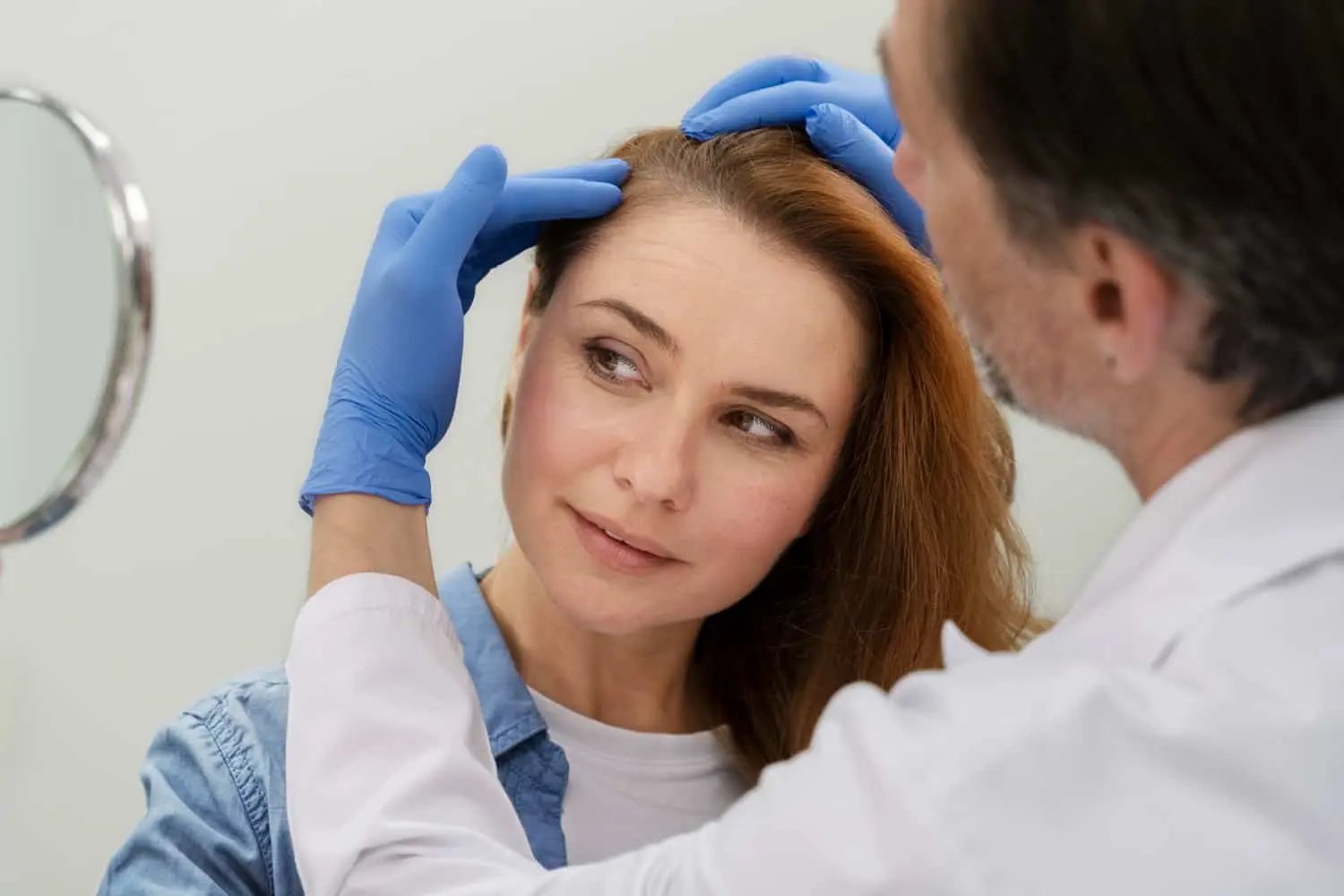
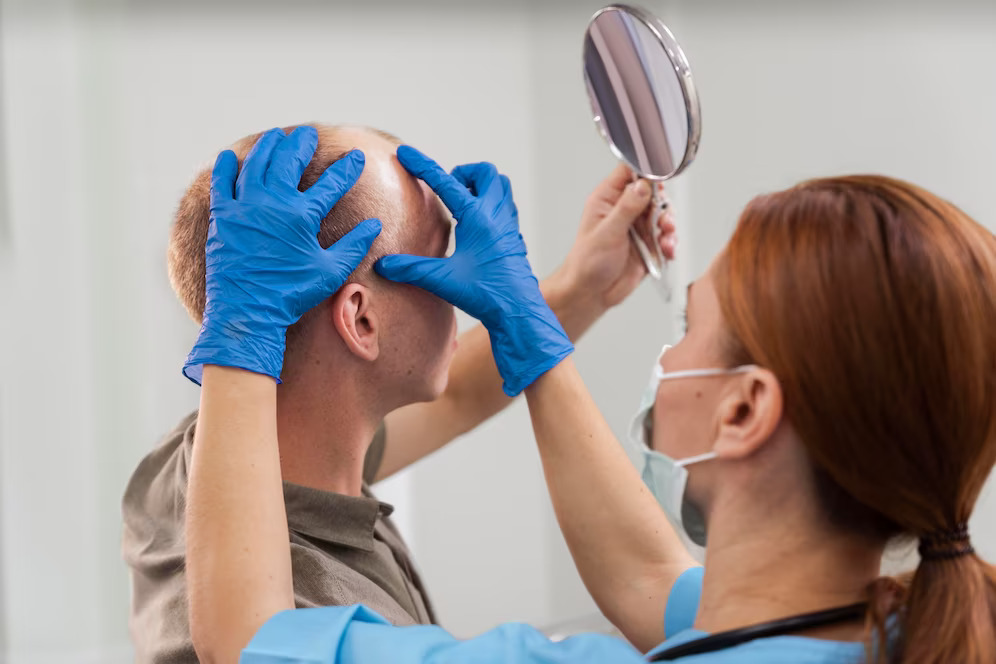
Effective hair loss treatment in Jaipur necessitates the implementation of a carefully devised plan to address the issue without exacerbating it. The best hair specialist in Jaipur at Awasthis Tvachaa prioritizes identifying the root cause of hair loss for each individual, ensuring the most suitable hair fall treatment in Jaipur is recommended. For those concerned about immediate results, a hair transplant offers a rapid and noticeable solution.
While a multitude of over-the-counter hair fall products claim to be the ultimate remedy, they often yield minimal results. Avoid squandering your resources and time; instead, seek consultation from the leading hair expert in Jaipur to ascertain the best solution for your specific hair loss concern. Discover the most appropriate surgical or non-surgical hair loss treatment options at Awasthi's Tvachaa.
Cost of Hair Loss Treatment
The cost of hair loss treatment in Jaipur is primarily determined by a range of factors integral to the treatment process. Dr. Soni and Dr. Sankalp Awasthi are renowned for their expertise and effectiveness in the area of hair care treatments. Their distinctive approach to addressing diverse forms of hair loss treatment in Jaipur positions them as the top doctors for resolving these concerns. Consequently, the treatment cost encompasses factors like:
- Age of the patient
- Degree of hair loss
- Choice of treatment
- Number of sessions or duration of the hair loss treatment in Jaipur
- Diagnostics tests and scans
Why Choose Awasthi's Tvachaa?
-

Precise Evaluation
Distinguishing Skin Conditions May Appear Simple, But It Requires Expertise. We Ensure The Most Accurate Diagnosis With Effective Treatment.
-

Expertise in Various Treatments
Our Skilled Dermatologists Specialize In A Range Of Skin And Hair Treatments, Including Chemical Peeling, Alopecia, Acne, Acne Scars And LASERs.
-

Optimal Positive Outcomes
With Over 3000 Satisfied Patients, Awasthi's Tvachaa Has Earned Their Trust By Providing Beautiful, Healthy And Flawless Skin.
-

High-Quality and Cost-Effective Treatment
Our Targeted Approach Eliminates Unnecessary Medications, Resulting In Cost-Effective Therapies.
FAQ
Frequiently Asked Question.
Hair thinning is frequently noticeable to the individual observing it. There are several indicators that someone might observe if they are encountering this problem. Signs to be on the lookout for include bald patches, clumps of hair, a decrease in ponytail size, a visible scalp, and even hair that feels lighter in weight.
Hair loss is a highly prevalent issue that impacts the majority of individuals to different extents during certain stages of their lives. This loss of hair can be attributed to a single cause or a combination of factors, including intense stress, genetic predisposition, medical conditions like thyroid disease and anemia, alterations in dietary habits, shifts in hormones during puberty, pregnancy, and menopause, and insufficient vitamin D levels.
Shampooing primarily loosens hair that is on the verge of shedding, while excessive hair styling can potentially weaken or harm hair, increasing the risk of breakage. Nevertheless, it's important to note that neither of these methods has been definitively shown to be the direct underlying cause of hair loss.
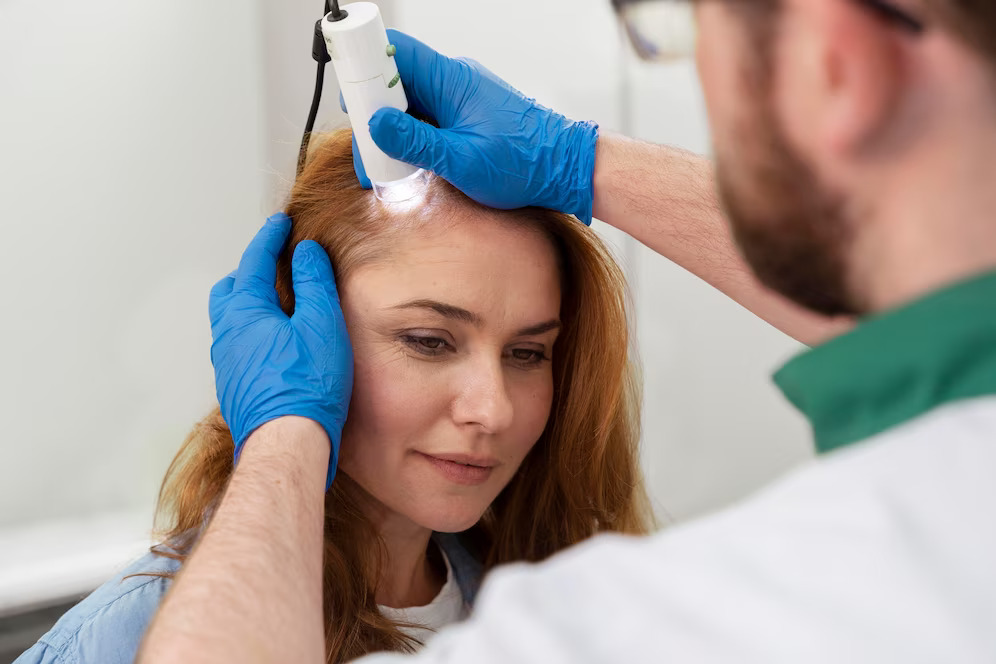
Certainly, a dermatologist can offer assistance for hair loss. Dermatology, a medical field specializing in skin care throughout the body, also encompasses scalp health. When you consult with a dermatologist in Jaipur, they will typically review your medical history and hair loss symptoms, perform a physical examination, and request blood tests and other diagnostic assessments to aid in reaching a diagnosis. Subsequently, they can engage in a conversation about available treatment choices, track your improvement, and adjust your treatment regimen as required.