- +917737445995
- awasthistvachaa@gmail.com
-
Morning (Wed Close): 10:00 AM To 01:00 PM | Morning (Only Tue, Fri): 10:00 AM To 12:00 PM | Evening: 04:30 PM To 07:00 PM


Welcome to Awasthi’s Tvachaa
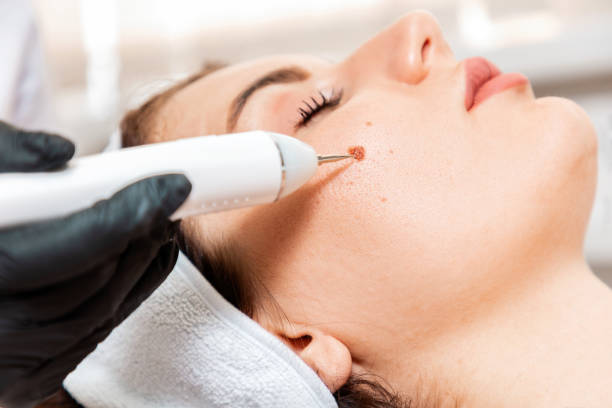
At Awasthi’s Tvachaa, we provide safe, precise, and medically supervised mole removal treatments using advanced dermatological techniques. Each procedure is carefully planned to ensure minimal scarring while maintaining the natural appearance of your skin. Our clinic is led by Dr. Soni and Dr. Sankalp Awasthi, supported by an experienced medical team focused on accurate diagnosis and patient safety. We evaluate every mole thoroughly before recommending the most suitable treatment approach.
before recommending the most suitable treatment approach. Beyond treatment, we believe in educating our patients about their skin condition, the procedure, and post-care guidelines. This ensures better healing, long-term skin health, and confidence in your results.
About ClinicWorking Hours
- Morning
(Wed Close)10:00 AM To 01:00 PM - Morning (Tue, Fri)10:00 AM To 12:00 PM
- Evening 04:30 PM To 07:00 PM
Call Us Now
A Professional Approach to Permanent Mole Removal
Moles, those skin growths that can range from small to large and vary in color from brown to black, can often pose a significant aesthetic concern when prominent in size and location. If you have a mole you'd like to eliminate and are seeking a safe, painless mole removal treatment supervised by leading dermatologists to minimize the risk of infections and injuries, you've come to the right place!
About Moles:
Moles, also known as "melanocytic nevi" in clinical terms, are clusters of melanocytes or melanin-producing cells that grow together in the skin. They can come in various sizes and typically present as small brown or black spots anywhere on the skin, including the scalp and nails. Moles are usually asymptomatic and may naturally change or fade with age.
-

Call Us
+917737445995 -

Address
2nd Floor D-132 Jan Path Shyam Nagar, opposite Lazeez, JanpathHotel, Sodala -

Contact Us
awasthistvachaa@gmail.com
Types Of Moles
There are different types of moles. These are
01
Congenital Moles (Birthmarks)
Congenital moles, also known as birthmarks, are either present at birth or emerge shortly thereafter. They can range widely in size, from small to very large, and necessitate observation or removal based on their size and location.
02
Acquired Moles
Acquired moles develop later in life, often due to factors like sun exposure or genetics. Generally benign, they require vigilant monitoring for any changes that might indicate potential health risks.
03
Atypical Moles (Dysplastic Nevi)
Atypical moles, also called dysplastic nevi, are irregularly shaped moles that can resemble melanoma. While not inherently cancerous, individuals with atypical moles have an elevated risk of melanoma development, necessitating regular monitoring and evaluation.
Symptoms of Mole
It is important for individuals to understand that there are some symptoms helpful in diagnosing the moles. This includes:
-

Colour and texture
First of all, it is important to check out the color and texture. The color and texture are helpful in analyzing whether it is a common mole or if any further diagnosis or treatment is in need or not.
-

Shape
The shape of the mole is also an important factor of consideration because these are normally irregularly shaped and sometimes appear to be oval or round.
-

Size
In general, the size of the mole is usually 6 mm in diameter, and in some cases, it can be bigger. It is important that if any changes happen you need to get it checked by a doctor.
-

Note
Do you understand this can develop anywhere on your body from head to toe? There is nothing for a person to worry about it until and unless changes are happening in them. If a person is experiencing any change in the mole it is important to reach out to the Dermatologist and get it checked.
Searching For "Best Mole Removal Treatment in Jaipur" for your overall skin treatments?
Book an appointment with Dr. Soni and Dr. Sankalp Awasthi at Awasthi's Tvachaa for advanced treatments.
Know About Unusual Moles
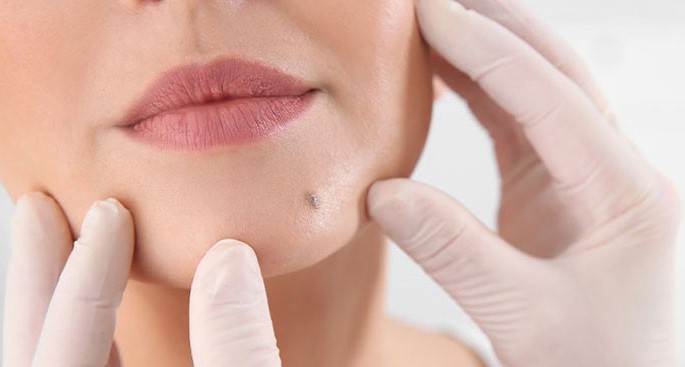
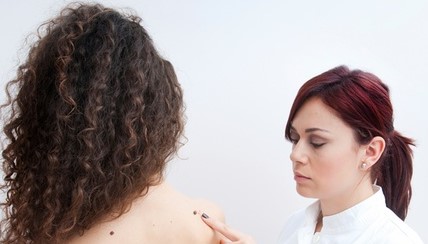
Some instances are there when a person experiences an unusual mole on their body. It may be a sign of Cancer or any other condition. ABCDE guide is in consideration for it for further understanding:
- A indicates about asymmetrical shape and one-half is Unlike the other half.
- B indicates about the border and the moles are irregularly shaped or are scalloped borders.
- C indicates the color and the mole color usually got changed and is uneven as well.
- D is for diameter and if the diameter is more than 6 mm it is a cause of concern.
- E is for evolving and it indicates the changes in shape, size, and color or height of the mole.
Causes of Moles
The formation of moles takes place when the melanocytes form in clusters. Melanocytes are the skin cell available throughout the skin. These are also for producing melanin the natural pigment responsible for the color of the skin.
Diagnosis of Moles
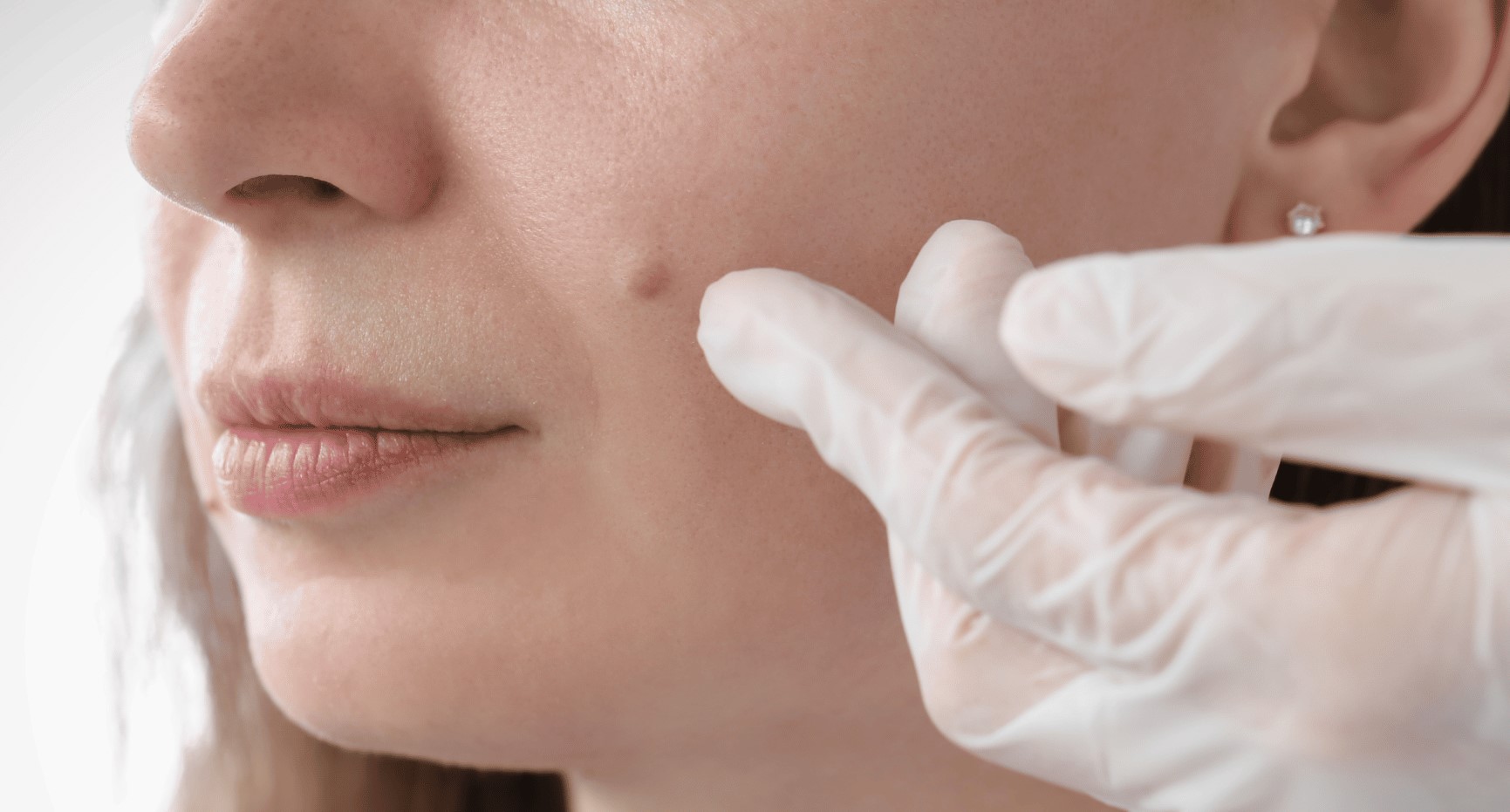
Diagnosing the mole does not require any particular examination because doctors can examine it just by looking at it. There are some instances when they suggest patients go for skin examination whether these are normal or indicate any particular condition.
If doctors suspect anything, they suggest some preventive medical care and then the patient needs to follow it carefully
Tips to Prevent Moles
There are a few tips that people need to keep in mind to prevent moles. This includes
- Consider using sunscreen whenever step outside because the scorching rays of the Sun are not safe for the skin.
- Avoid stepping outside in peak hours like from 10 a.m. to 4:00 p.m. As these are the peak hours and the direct sun rays are harmful to your skin.
- Whenever you step outside cover your face and do not remove it.
- Do not use unnecessary cosmetic products as these are not safe for your skin.
What Is the Mole Removal Treatment Procedure At Awasthi's Tvachaa?
At Awasthi's Tvachaa, our commitment to safety aligns with global standards when it comes to performing advanced aesthetic treatments such as mole removal:
- We provide a discreet consultation with a seasoned dermatologist who will assess your skin and meticulously evaluate factors like mole type, size, color, and target area.
- Our highly qualified medical experts will craft a tailored treatment plan for you, selecting the most suitable modalities and recommending the optimal number of sessions required to achieve noticeable and satisfying results.
- At Awasthi's Tvachaa, we prioritize your comfort and safety. If necessary, we will provide pre-care measures to prepare your skin adequately for advanced treatments.
- To ensure the effectiveness of your treatment, it's essential to complete the recommended sessions within the specified time intervals.
- We are committed to your well-being throughout your journey. Our post-care support is designed to minimize any potential side effects and maximize the results of your treatment.

Why Choose Awasthi’s Tvachaa
Awasthi’s Tvachaa is a trusted dermatology clinic in Jaipur offering safe, precise, and expert-led mole removal treatments with a strong focus on patient safety, accuracy, and visible results.
-

Accurate Diagnosis
Moles may look similar, but not all moles are the same. Our dermatologists carefully examine each mole to determine its type and nature before recommending the most appropriate treatment.
-

Expert & Safe Procedures
Our experienced dermatology team is skilled in performing medically approved mole removal procedures using advanced techniques that ensure precision and minimal scarring.
-

High Success & Patient Trust
Awasthi’s Tvachaa has earned the trust of 3,000+ patients by delivering safe procedures, effective outcomes, and a comfortable treatment experience.
-

Quality & Cost-Effective Care
We follow a targeted treatment approach, avoiding unnecessary procedures or medications, which helps reduce overall treatment costs while maintaining high-quality care.
FAQ
Frequiently Asked Question.
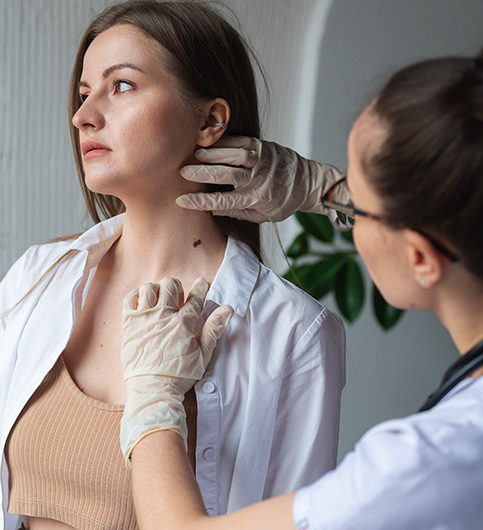
Mole removal can be a challenging task, but with the right treatment, it can be an easy and effective way to improve your quality of life. There are many different ways to remove moles, and the best one for you will depend on the size and shape of the mole, your skin condition, and other factors.
Moles are sometimes difficult to remove completely, but dermatologists have developed various methods to get them off safely and quickly.
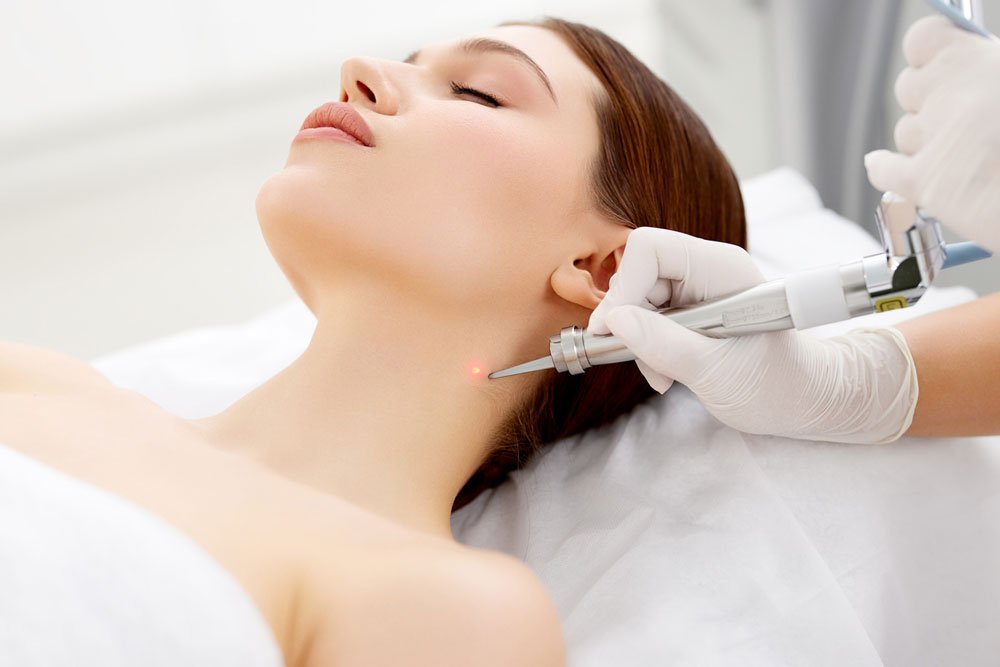
Dermatologists are experts in removing moles, and typically use a variety of techniques to achieve the desired result. Some common methods include laser removal, cryotherapy, hot water immersion, and freezing.
Moles are small, dark, and fleshy bumps that can form on the skin. They are removable without surgery by burning the mole off with apple cider vinegar.
Removal of moles is typically a safe and effective way to remove them. However, there are some cases where moles may grow back after removal. But this can take place if the removal has not been done completely.
The four types of moles are congenital moles, dysplastic nevi, acquired nevi, and spitz nevi.